

Our History
The New York Health Foundation (NYHealth) began operations in 2006, following its establishment by the State legislature as the first statewide foundation focused on improving the health of New Yorkers.
Then known as the New York State Health Foundation, NYHealth was formed with five percent of the proceeds from the conversion of Empire Blue Cross Blue Shield from nonprofit to for-profit ownership. In its first 20 years, NYHealth has awarded more than $200 million in grants, achieved major policy changes, partnered with organizations across the state, established itself as a go-to source for independent expertise, and used its human, financial, and reputational capital to be a changemaker, as well as a grantmaker. Explore key milestones in the Foundation’s history below.

Open for Business
Operations begin, with James R. Knickman serving as the Foundation's first President and CEO.
Making Headlines
The New York Times calls attention to the establishment of the Foundation and its promise to make a meaningful difference in the lives of New Yorkers.
Read more
First Grants Awarded
NYHealth’s first round of grants, totaling $5.7 million, is awarded to 23 organizations across New York State.
A Focus on Coverage and Diabetes
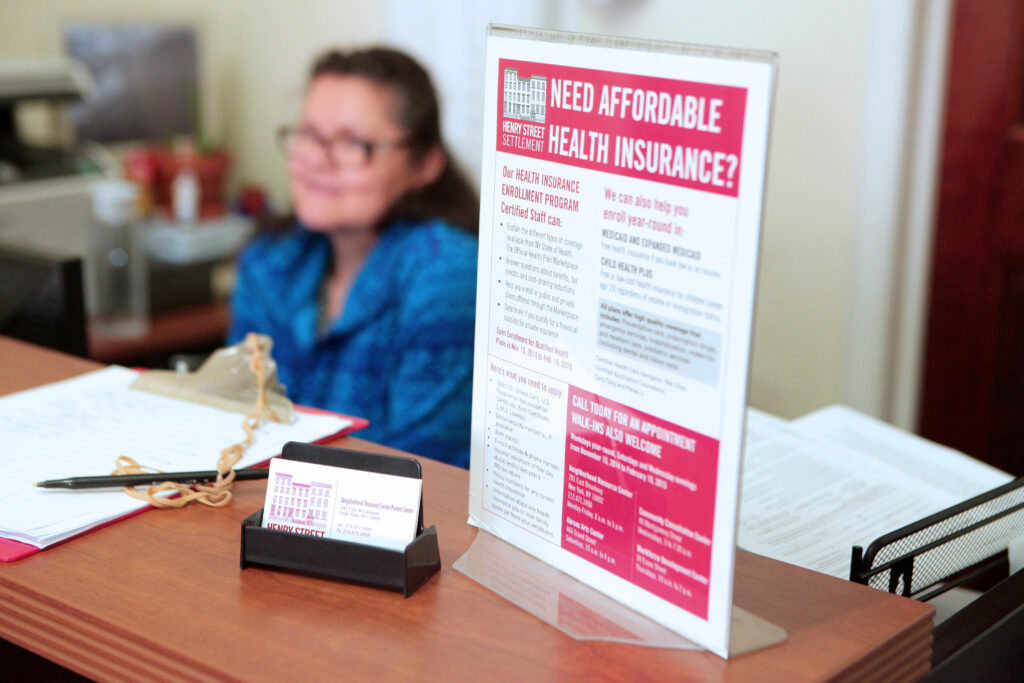
The Foundation announces its first two priority areas for grantmaking: expanding health insurance coverage and improving diabetes prevention and management.
Read more
Learning from and Engaging with Health Leaders
NYHealth launches its “Conversation With…” series, featuring in-depth discussions on health and health care issues. The inaugural event featured leading health care expert Don Berwick of the Institute for Healthcare Improvement, who spoke about population health, the patient experience, and health care costs. Over more than 15 years, the series featured hundreds of expert speakers.
Read more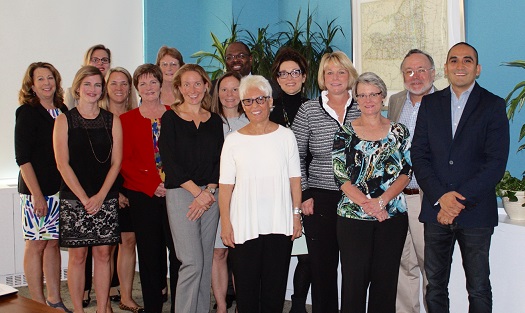
Community Advisory Committee Established
The Foundation establishes its Community Advisory Committee, bringing together leaders from across New York to help shape its grantmaking and to strengthen its connections with communities throughout the State.
Read more
Prioritizing New York Veterans
NYHealth launches its Veterans’ Health work at an event at the Rochester Veterans Outreach Center. At the outset, the program focuses on supporting post-9/11 veterans coping with both mental health and substance use issues.
Read more
Preventing and Managing Diabetes
The Foundation’s five-year, $35 million Diabetes Campaign launches, with the goal of reversing the epidemic. The initiative takes a three-pronged approach: improving clinical care and patient outcomes; preventing diabetes among those at highest risk for developing the disease; and promoting policies that sustain comprehensive and effective diabetes care.
Read more
The Power of Convening
NYHealth hosts its first statewide conference on reforming New York’s individual health insurance market. Convenings continue to be a pillar of the Foundation’s approach, providing opportunities to share lessons from across New York State and learn from others across the country.
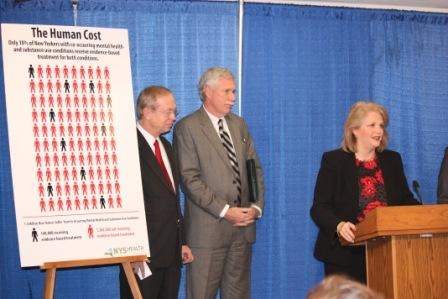
Advancing Mental Health and Substance Use Services
NYHealth establishes the Center for Excellence in Integrated Care to help mental health and substance use treatment programs across the State integrate services for people living with both conditions.
Read more
Responsive Grantmaking: The Special Projects Fund
The Foundation begins accepting proposals for grants awarded through its Special Projects Fund. Today, the Special Projects Fund continues to be a signature NYHealth program, enabling responsive grantmaking that addresses persistent and emerging health challenges and meets the current moment.
Read more
Assessing Veterans Treatment Courts
NYHealth supports the initial evaluation of the Buffalo Veterans Treatment Court, the first step in a years-long investment in this approach to supporting justice-involved veterans.
Read more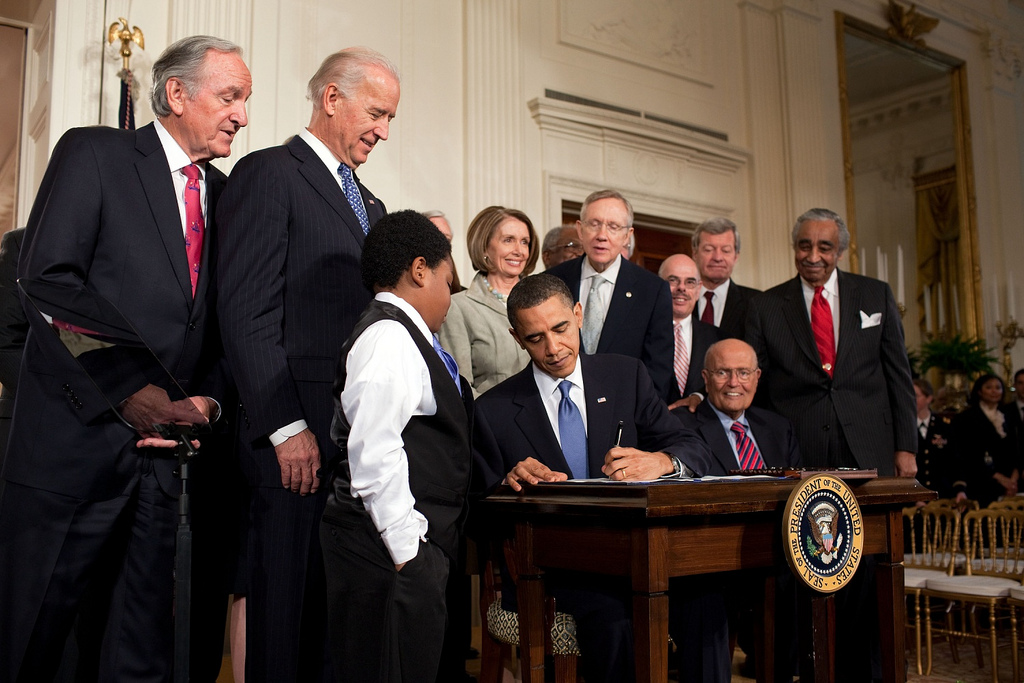
A Big Deal: The Affordable Care Act Passes
The Affordable Care Act (ACA) is signed into law, with the promise to expand health insurance coverage substantially for New Yorkers.
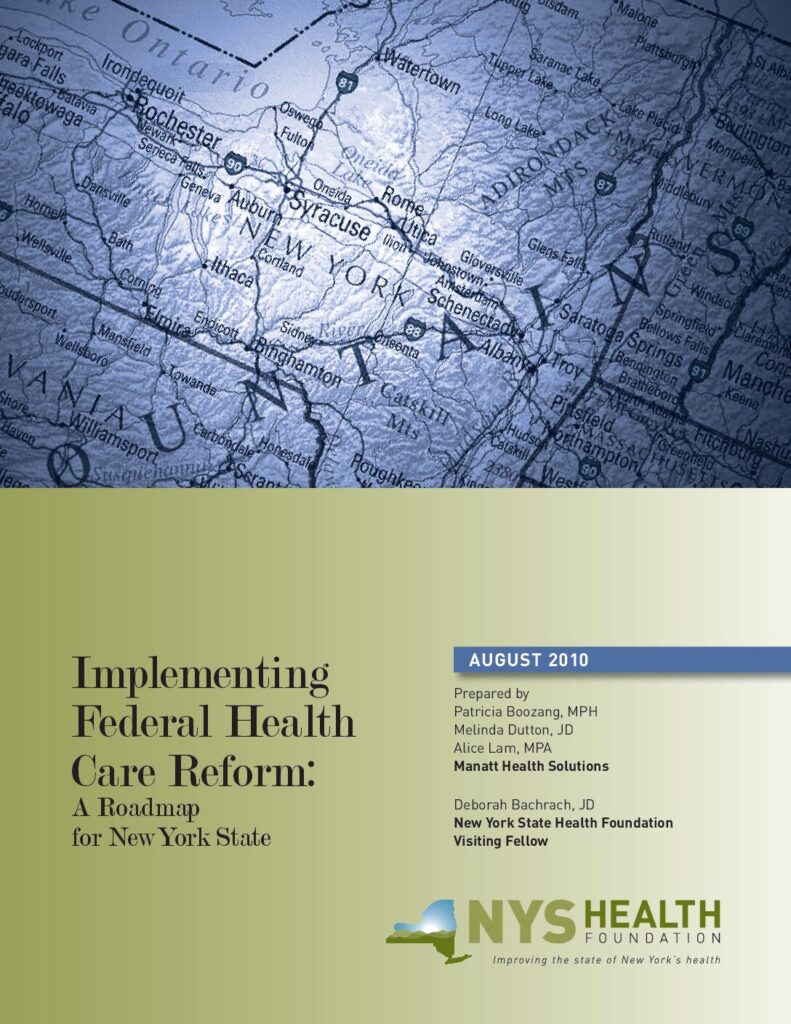
Mapping ACA Implementation in New York State
NYHealth releases a landmark roadmap report analyzing the key provisions of the ACA and their implications for the State, the first in a series of analyses that help inform New York’s implementation of the sweeping federal health reform law.
Read more
Understanding Veterans’ Health Needs
NYHealth releases the first-ever statewide assessment of the needs and preferences of New York State’s returning veterans and their families. Conducted by the RAND Corporation, it identifies considerable unmet mental health needs, along with a gap in community-based resources for veterans, half of whom report preferring to receive care and services outside the Veterans Affairs (VA) system. The report serves as a roadmap for the next decade of the Foundation’s work to improve health care, mental health, and other services and supports for New York’s veterans.
Read more
Five Years of NYHealth
NYHealth marks its five-year anniversary with its Board, Community Advisory Committee, grantees, and partners at an event at the South Street Seaport. The day includes reflections from the Foundation’s leadership, as well as panel discussions featuring grantees and other New York leaders looking ahead to the next five years.
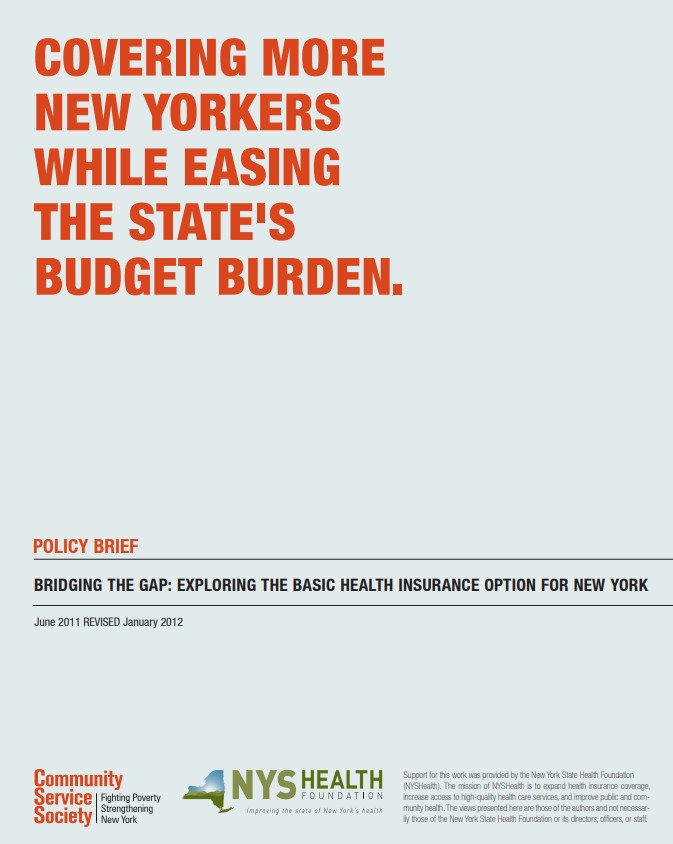
New York’s Essential Plan
The Foundation releases “Bridging the Gap: Exploring the Basic Health Option for New York,” a report by the Community Service Society, which finds that a Basic Health Plan would benefit New York. In April 2015, New York becomes one of only two states to receive federal approval of a Basic Health Plan, which New York calls the Essential Plan. More than 1 million New Yorkers receive health insurance coverage through the new plan.
Read more
A Focus on Primary Care
NYHealth establishes a new program area to advance primary care. The work expands primary care capacity and access, promotes innovative models of care for marginalized New Yorkers, and advances payment reform.

Progress on Mental Health and Substance Use Services
NYHealth grantee the Center for Excellence in Integrated Care exceeds its goal of working with 600 mental health and substance use clinics to integrate care for clients coping with co-occurring conditions.
Read more
Doubling Down on Diabetes Prevention
The Foundation awards more than $400,000 to 25 organizations across the State to implement and grow the National Diabetes Prevention Program, which has been found to help people with prediabetes reduce their risk of developing the disease by 50 percent. This initial investment lays the groundwork for future efforts to spread the program more widely through YMCAs throughout New York State.
Read more
Connecting New Yorkers with Health Insurance Coverage
More than 11,000 New Yorkers have enrolled in health coverage with assistance from NYHealth’s Enrollment Network, a statewide initiative supporting community-based organizations to conduct outreach and enrollment activities. An NYHealth survey conducted by the Harris Poll finds that 92 percent of newly enrolled New Yorkers are satisfied with their health insurance.
Read more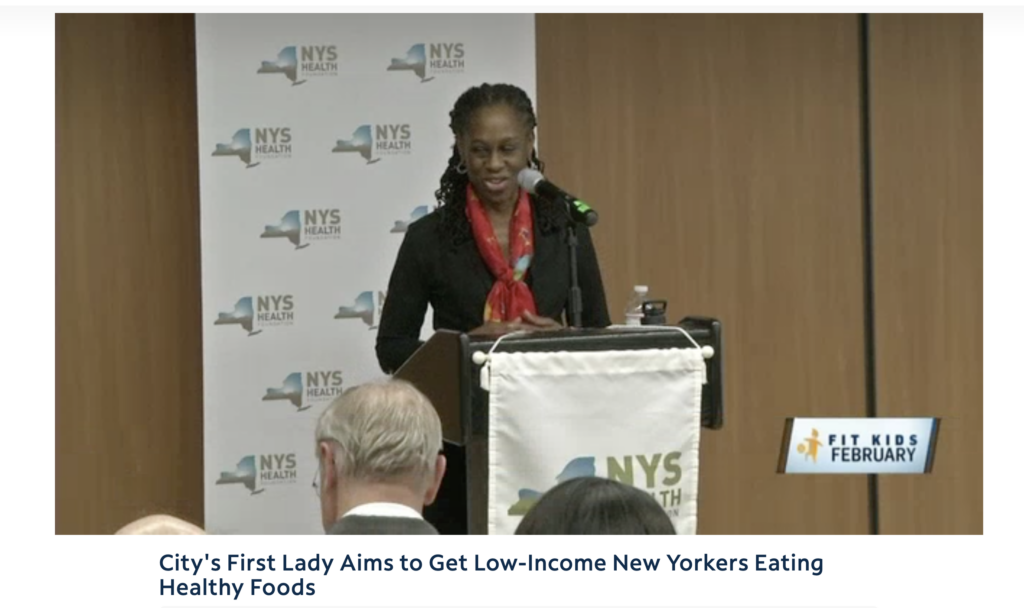
Investing in Healthy Neighborhoods Across New York State
Building on its diabetes prevention work, NYHealth launches its $2 million Healthy Neighborhoods Fund, the signature initiative of the Building Healthy Communities program. Launch events in New York City, Clinton County, Syracuse, and Niagara highlight plans for community-led efforts to improve access to healthy, affordable food and safe opportunities for physical activity.
Read more
Tracking Payment Reform Efforts
With support from NYHealth, the first-ever New York Scorecard on Payment Reform is released. It examines the health care payment landscape in New York State, offers baseline information about the adoption of alternative payment methods, and analyzes variation in commercial and Medicaid payments.
Read more
Investing in Double Up Food Bucks
The Foundation makes its first grant to support Field & Fork Network's efforts to scale and sustain Double Up Food Bucks, a nutrition incentive program that offers recipients of the Supplemental Nutrition Assistance Program (SNAP) a matching value on dollars spent at farmers markets on fresh, locally grown produce.
Read more
A New Focus on Consumer Empowerment
NYHealth launches a new priority area, Empowering Health Care Consumers, following a planning process the previous year to identify the areas where the Foundation was best positioned to have a meaningful impact on the health of New Yorkers.
Read more
The Next Chapter of NYHealth Leadership
NYHealth’s founding President and CEO steps down after 10 years. Dr. David Sandman, previously the Foundation’s Senior Vice President, is named as the new President and CEO.
Read more
Advocating for School Meals in New York City
NYHealth supports a wide-ranging campaign to secure universal school lunch for all New York City schoolchildren. One year later, in June 2017, the New York City budget vastly expands and funds free lunch for nearly all of the City’s 1.1 million students, a huge victory for health, for children, for education, and for equity. These efforts lay the groundwork for future statewide advocacy for universal school meals for all New York schoolchildren.
Read more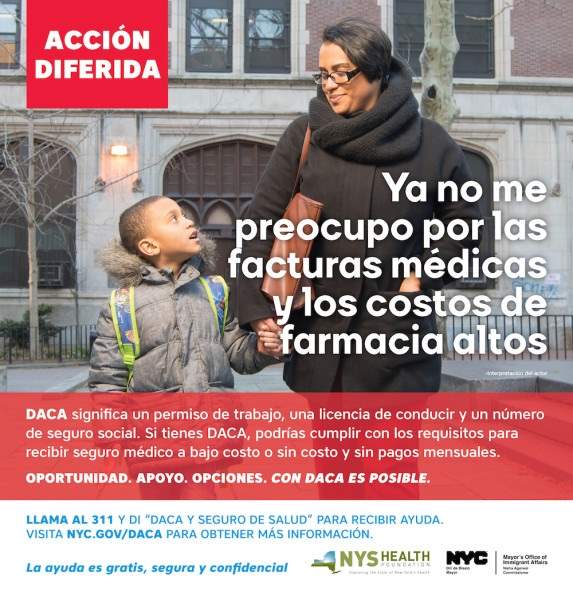
Connecting DACA Recipients with Health Insurance Coverage
The New York City Mayor’s Office of Immigrant Affairs launches an NYHealth-supported public education and advertising campaign to connect Deferred Action for Childhood Arrivals (DACA) recipients to health insurance.
Read more
Spreading OpenNotes
NYHealth encourages New York health care providers to implement OpenNotes, a national effort to give patients access to the visit notes written by their doctors, nurses, or other clinicians. By 2023, the Foundation had supported the use of OpenNotes in 30 hospitals, health centers, physician practices, and other health care settings across the State.
Read more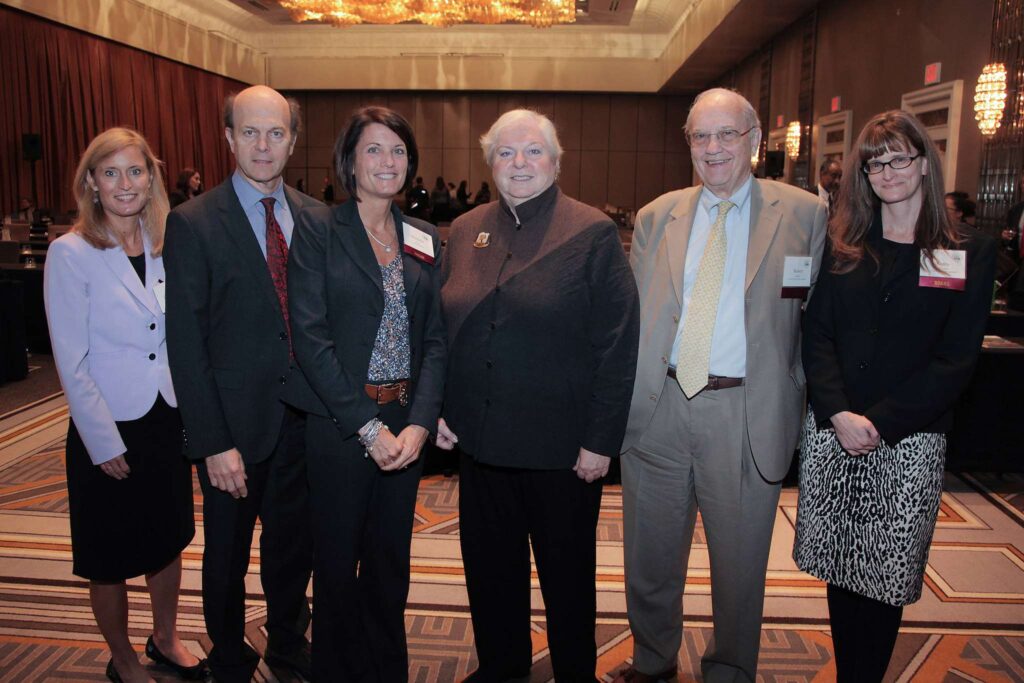
Ten Years of NYHealth
NYHealth marks its 10th anniversary and outlines plans for the future at a substantive and celebratory event in New York City.

Understanding Variation in Hospital Prices
NYHealth-supported research from Gorman Actuarial finds wide variation in hospital prices across New York and concludes that hospitals with market leverage, or bargaining power when negotiating with insurers, often command higher prices.
Read more
New Yorkers’ Perceptions of Health Care Price Information
In an NYHealth-supported survey by Public Agenda, half of New Yorkers say they seek out pricing information before getting health care services, but nearly two-thirds say there is not enough available data about what services cost.
Read more
Investing in Original Analysis
The Foundation establishes a dedicated Policy and Research team, enabling it to conduct original research, inform New York health policy, and strengthen advocacy efforts.

Preserving Health Care Access for Immigrant New Yorkers
As immigration enforcement intensifies and more immigrant New Yorkers are detained, many become increasingly reluctant to seek health care. In response, NYHealth awards grants to preserve health care access for New Yorkers in ICE detention facilities and immigrant communities.
Read more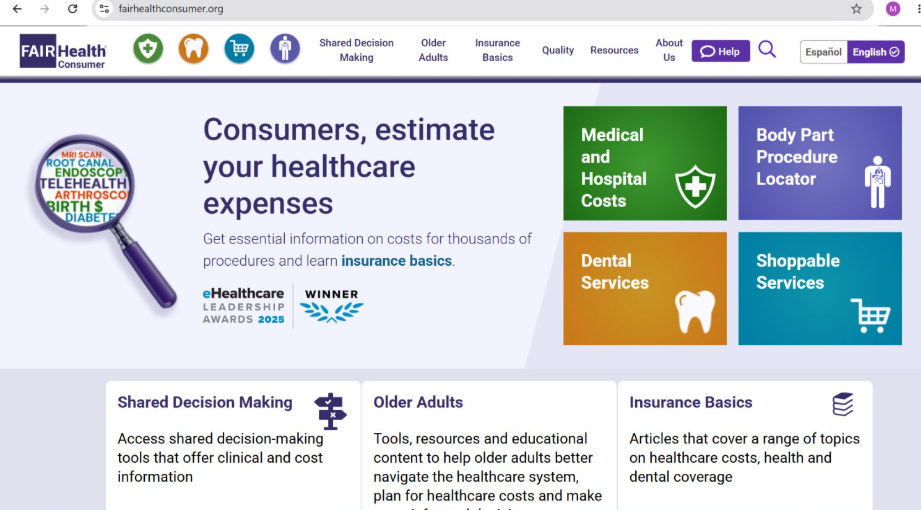
A Practical Tool for Navigating Health Care Costs
FAIR Health, an independent nonprofit that collects and analyzes health care cost data, launches an NYHealth-supported website that offers easy-to-use, reliable information on health care costs. The website helps consumers plan financially before receiving care.
Read more
Embracing the Changemaker Model
The Foundation submits public comments for the first time, in support of a proposed federal rule that would make hospital prices and quality information more transparent, meaningful, and actionable for consumers. This is the first of numerous public comments submitted as part of the Foundation’s growing role as a changemaker. Later in 2018, the Foundation urges the U.S. Department of Homeland Security to withdraw the disastrous proposed “public charge” rule; the following year, NYHealth comments on the harms that could come from the federal Food and Nutrition Service enacting a proposed rule to impose work requirements on SNAP beneficiaries. In 2019, Foundation President and CEO David Sandman outlines the Foundation’s changemaker model in a guest piece for Alliance magazine.
Read more
Analyzing a Single-Payer Approach to Health Care
An assessment from NYHealth and the RAND Corporation finds that the New York Health Act, which would establish a single-payer health care program, could expand coverage for all New York State residents. However, it would require significant new tax revenue. Both advocates and opponents of the legislation point to the report in support of their positions, suggesting it provided a balanced analysis of the issue.
Read more
New York’s Nutrition Incentive Programs
An NYHealth issue brief describes nutrition incentive programs, along with recommendations for making it easier for New Yorkers, vendors and food producers to participate.
Read more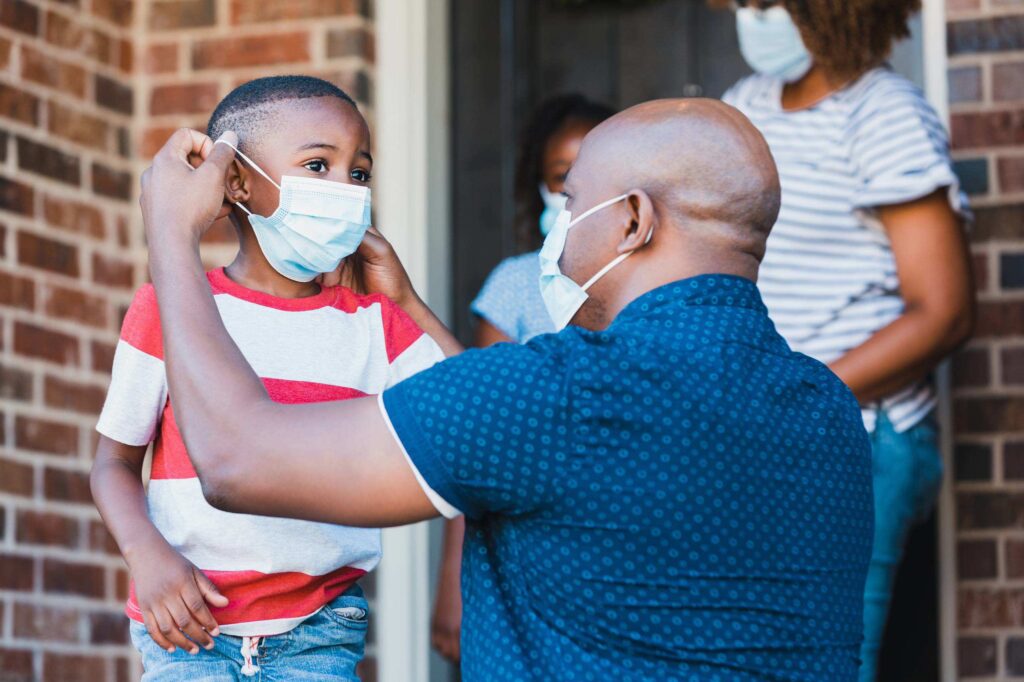
The Start of the COVID-19 Pandemic
New York City emerges as an epicenter of the COVID-19 pandemic. New Yorkers face illness, anxiety, economic instability, isolation, and food insecurity, while essential workers, including health care and social service providers, risk their lives to care for others. The pandemic also brings longstanding racial inequities into sharp relief, with Black and Latino New Yorkers dying at much higher rates than their white counterparts.

Pandemic Relief and Response Efforts
NYHealth commits $5 million to COVID-19 relief and response efforts. Grant application and reporting requirements for grantees are dramatically simplified to allow for nimble relief and response efforts. In May, the Foundation hosts the first webinar in the "Practically Speaking" series, designed to deliver timely, actionable information during the pandemic.
Read more
Examining Inequities in Childbirth Complications
An NYHealth analysis finds that serious childbirth complications are more than twice as likely among Black New Yorkers as their white counterparts. The piece attracts significant attention, including from The Wall Street Journal, and is the basis for future grantmaking on maternal health equity.
Read more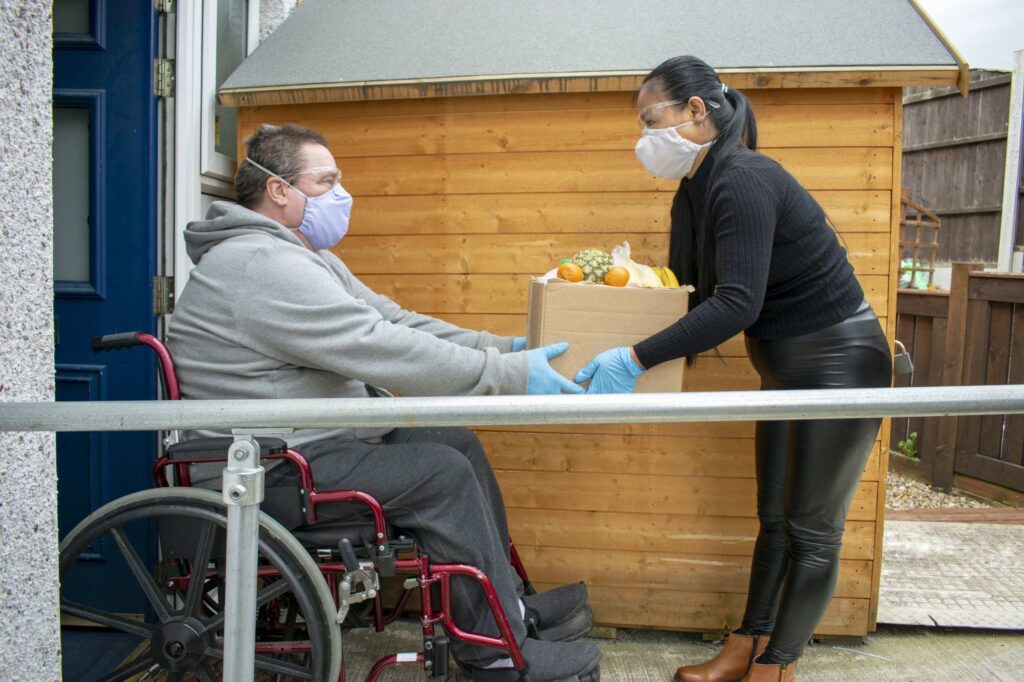
Tracking Food Insufficiency and Mental Health during the Pandemic
NYHealth releases the first analysis of Census Pulse survey data on food insufficiency among New Yorkers during the early months of the COVID-19 pandemic. The Foundation continues to track these findings and issue periodic updates through 2025. NYHealth also issues regular reports of Pulse survey findings on measures of anxiety and depression.
Read more
Prioritizing Healthy Food
The Foundation launches the new Healthy Food, Healthy Lives program, an evolution of the food-related focus of the Building Healthy Communities program, which winds down at the end of 2021.
Read more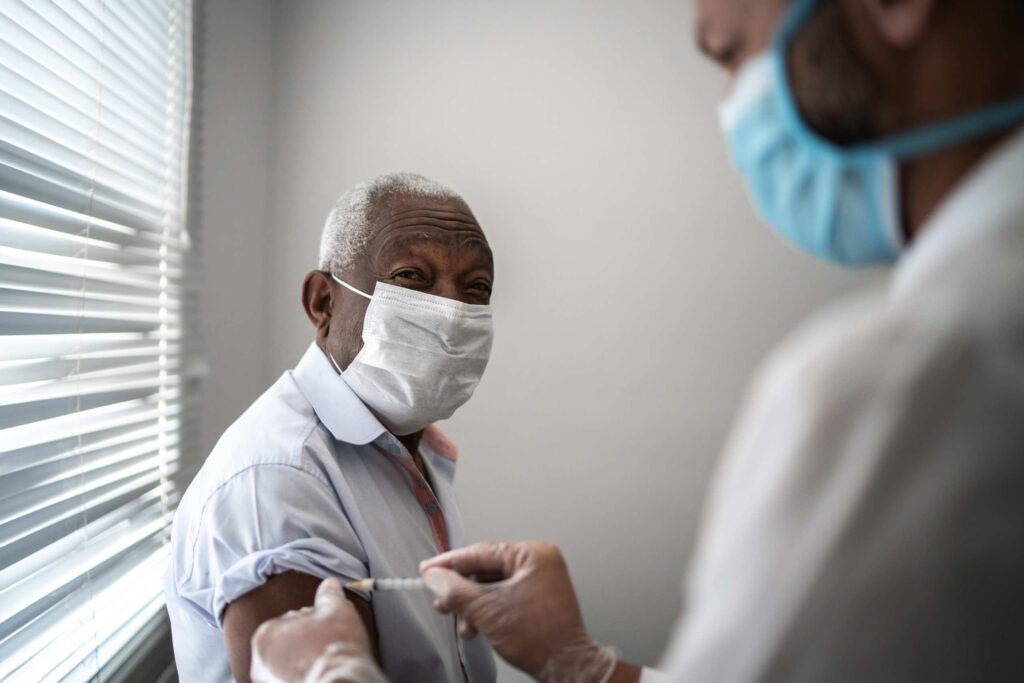
Addressing Vaccine Hesitancy
NYHealth and other funders invest in three related projects to address vaccine hesitancy and increase equity in New York State. The initiatives complement federal, State, and local government-funded efforts to address access barriers and improve equitable distribution of vaccine supply.
Read more
Regional Food Planning
Regional partnerships across New York State receive initial support to develop food plans, laying the groundwork for future investments in implementation. Later, a video series offers an explainer on food planning, highlights the impact of a collaborative in Central New York, and offers advice to communities pursuing similar efforts.
Read more
Visiting Fellows Offer Valuable Expertise
Dr. Dave Chokshi, former Commissioner of the New York City Department of Health and Mental Hygiene, joins the Foundation as a visiting fellow, providing crucial guidance in the creation of the Foundation’s Primary Care program. NYHealth’s inaugural visiting fellow, in 2010, was Deborah Bachrach, former New York State Medicaid Director, who played a key role in shaping the Foundation-supported Affordable Care Act implementation roadmap.
Preventing Fatal Overdoses
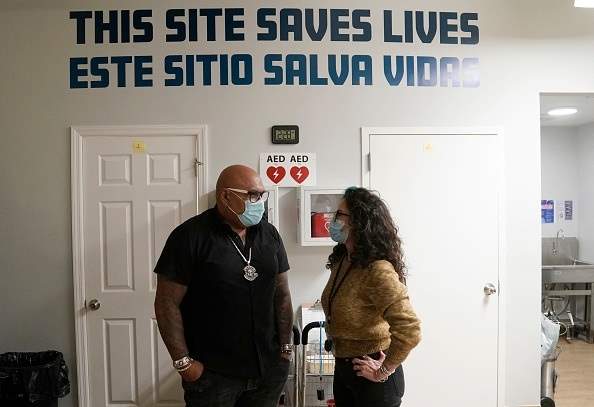
NYHealth invests in New York City's first-in-the-nation overdose prevention centers. In their first 12 months of operation, the two centers, in East Harlem and Washington Heights, were used more than 45,000 times by more than 2,000 participants. In that time, they prevented more than 600 potentially fatal overdoses.
Read more
Understanding the Links Between Food and Health
The NYHealth Survey of Food and Health demonstrates the strong link between food insecurity and poor health outcomes. Food-insecure New Yorkers in the 1,500-person survey were twice as likely to report unsatisfactory health as their food-secure counterparts. Related briefs based on the survey highlight the experience of food-insecure families with children; regional variation in food access; and New Yorkers' experiences with and perceptions of food and nutrition programs.
Read more
Keeping New Yorkers Covered
NYHealth brings together foundations and advocates in support of the State's Keep New York Covered program to prepare for the end of the COVID-era continuous coverage requirement, which had prohibited states from terminating most enrollees’ Medicaid coverage. NYHealth also supports a statewide network of community-based enrollment organizations to reach 8.8 million New Yorkers who need to re-enroll in health insurance coverage.
Read more
Meaningful Improvements to Build Healthy Communities
A review of the Foundation's Building Healthy Communities program area shows it led to more than 100 healthy food access points; fostered improvements, including street lights and bike lanes, to promote safe and accessible physical activity in more than 80 public spaces; and leveraged $181 million in additional funding for these programs and policies across six participating neighborhoods.
Read more
A Renewed Focus on Primary Care
NYHealth launches a new program area focused on primary care after winding down the Consumer Empowerment program at the end of 2022. The new program responds to an increased need, opportunity, and niche for the Foundation to enhance primary care access, capacity, equity, and workforce issues.
Read more
Addressing the Health Needs of Newly Arriving New Yorkers
In response to an influx of migrants and asylum seekers arriving in New York City, the Foundation makes grants to three organizations working to fill the health care, mental health support, and social service gaps for these newly arrived New Yorkers.
Read more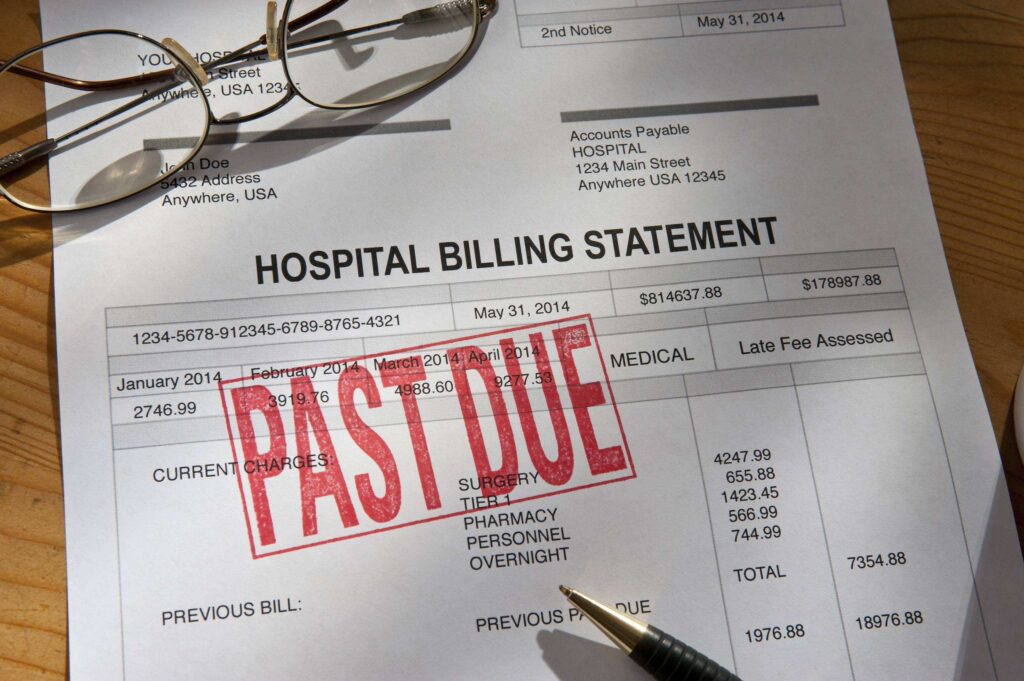
Reducing the Impact of Medical Debt
Governor Hochul signs legislation that prohibits agencies from including medical debt of any amount on credit reports, building on earlier measures to ease the financial burden on New Yorkers. Leading up to this milestone, numerous NYHealth grantees and partners conducted policy analyses, provided direct support to people struggling with medical debt, and helped secure passage of seven different consumer protection policies.
Read more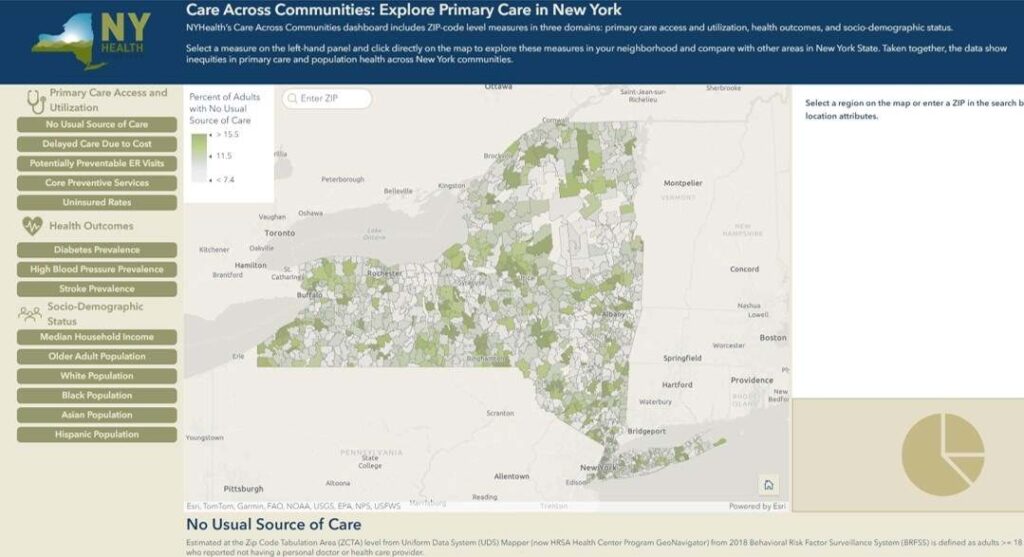
Understanding New York’s Primary Care Landscape
NYHealth launches the Care Across Communities dashboard, allowing users to engage in detailed, ZIP code-level exploration of New York’s primary care landscape.
Read more
Addressing the Youth Mental Health Crisis
In response to the mental health crisis among youth and young adults, NYHealth developed a complementary set of projects to assess coverage gaps, inform statewide advocacy, and expand evidence-based programs in high-need communities of color and rural communities across New York State.
Read more
Understanding Veterans’ Evolving Health Needs
NYHealth releases an updated needs assessment of New York State veterans conducted by the RAND Corporation. It finds that more than 60 percent of New York veterans who recently left military service have a disability.
Read moreA Grantmaking Milestone
NYHealth awards its 200 millionth grant dollar.

Investing in Maternal Health Equity
NYHealth awards nearly $1 million to a cohort of grantees to advance maternal health equity through primary and preventive care for Black New Yorkers and other communities of color.
Read more
H.R. 1 Dramatically Cuts Core Safety Net Programs
H.R. 1 is signed into law, ushering in cuts to core safety net programs like Medicaid and SNAP and shifting enormous costs onto states. New York State could experience an annual loss of about $15 billion in health and nutrition funding and an estimated 1.5 million New Yorkers could lose their insurance coverage. NYHealth spearheads a joint statement from New York-based health foundations on the impact of the legislation.
Read more
Addressing an Urgent Hunger Crisis
During a federal government shutdown, the Trump Administration temporarily withholds SNAP benefits, putting 3 million New Yorkers in an immediate hunger crisis. In response, NYHealth issues an emergency grant of $1 million for swift cash relief, enabling New Yorkers at risk of hunger to feed their families with dignity and autonomy.
Read more
Leveraging Public and Private Dollars
NYHealth has mobilized more than $1.6 billion in public and private support since its inception. This additional funding, including direct co-funding, enables the Foundation to support, sustain, and expand efforts across the State.
Read more
Addressing Veteran Suicide
CEO David Sandman and former U.S. Secretary for Veterans Affairs David Shulkin publish an op-ed calling attention to the veteran suicide crisis. The latest data show a 25 percent increase in New York's veteran suicide rate between 2022 and 2023.
Read more
Good News for Good Food Purchasing
The New York State Legislature passes the Good Food NY Act, which enables the state to harness the massive power of public purchasing to produce a healthier food environment. The law allows municipalities to purchase locally grown, fresh and healthy foods to better meet residents’ needs while supporting local economies.

20 Years of NYHealth
To mark its 20th anniversary, NYHealth unveils an updated visual identity and hosts a day of learning, reflection, gratitude, and celebration, bringing together grantees, partners, and leaders from across New York's health sector.
In NYHealth’s first 20 years, dramatic events have shaped the health of New Yorkers for better and for worse. Looking ahead, the New York Health Foundation remains committed to its mission to improve the health of all New Yorkers, especially people of color and others who have been historically marginalized. Strategies, tactics, and program areas will evolve over time, but the mission is enduring.
Ensuring that all New Yorkers have the opportunities and resources they need to be as healthy as possible and that no one is disadvantaged, requires ongoing commitment, flexibility, creativity, and the courage to take some big swings. It also requires partnership and collaboration. An old proverb has it that if you want to go far, go together. The Foundation’s greatest successes, the ones with the most enduring impact, have been the ones that involve, and are often driven by, other leaders, advocates, and grantees as close partners. It’s important to celebrate these wins, and to apply lessons learned to the work that lies ahead. And so: forward together!